A Pragmatic Sovereignty Playbook for the Next 12 Months
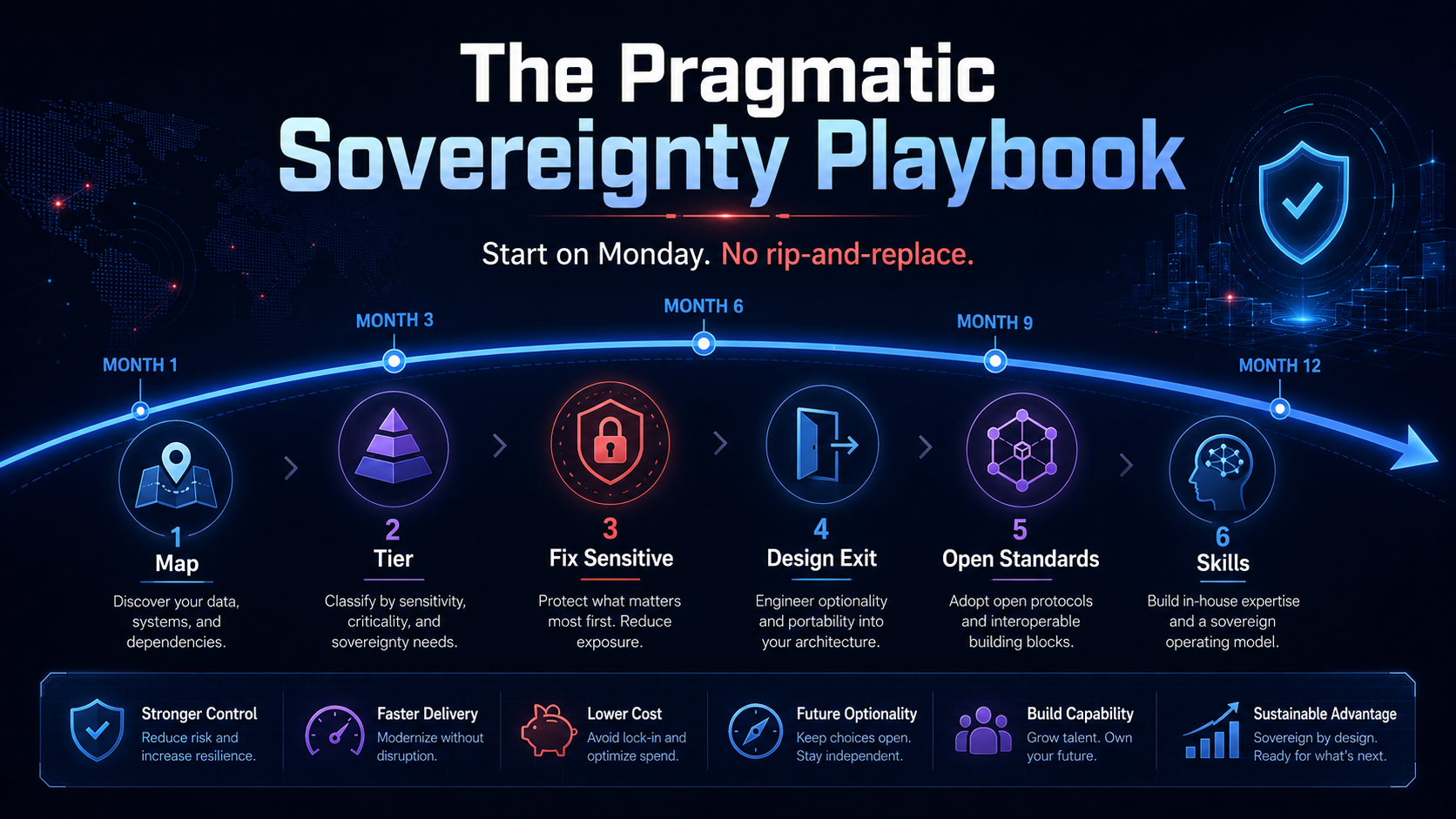
Seven posts of problem. This one is all solution. Here is what a European organization can actually do in the next year to reduce its dependence on foreign technology, without a rip-and-replace, without autarky, and without waiting for Brussels to build the alternatives.

Part of the pillar series Sovereignty You Can Actually Operate.
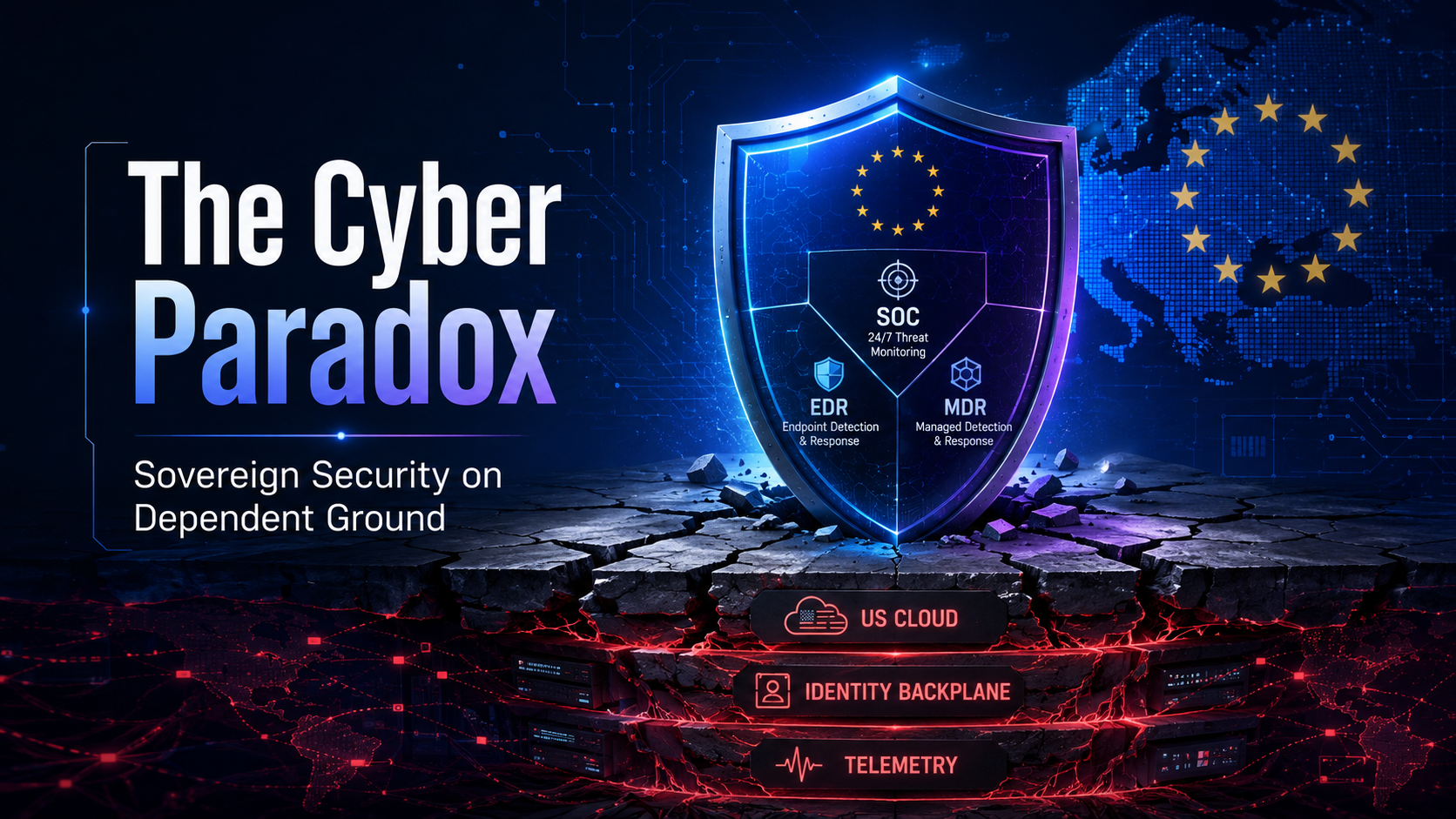
Across this series we've established the shape of the problem: dependence is real and measurable, ordinary tools quietly become critical, compliance isn't sovereignty, and the honest goal is selective autonomy, not isolation. The recurring risk underneath all of it is simple: Europe has been regulating its dependencies faster than it builds substitutes for them, and an organization that waits for that gap to close will wait a long time.
You don't have to. Here is the playbook: six steps, sequenced, each anchored to something concrete you can point at. None of it requires ripping out what works.
Step 1: Map your dependencies and concentration
You cannot manage a single point of failure you can't see. Start by building the inventory: which providers underpin which functions, which of them are "not easily substitutable," and where several critical services quietly trace back to the same parent. This isn't just good practice. Under DORA it's a baseline obligation, complete with a register of ICT third parties and a concentration-risk assessment (DORA Art. 28(3) and Art. 29). Most organizations discover their real exposure is more concentrated than the org chart suggests.
Step 2: Tier your workloads by how sovereign they need to be
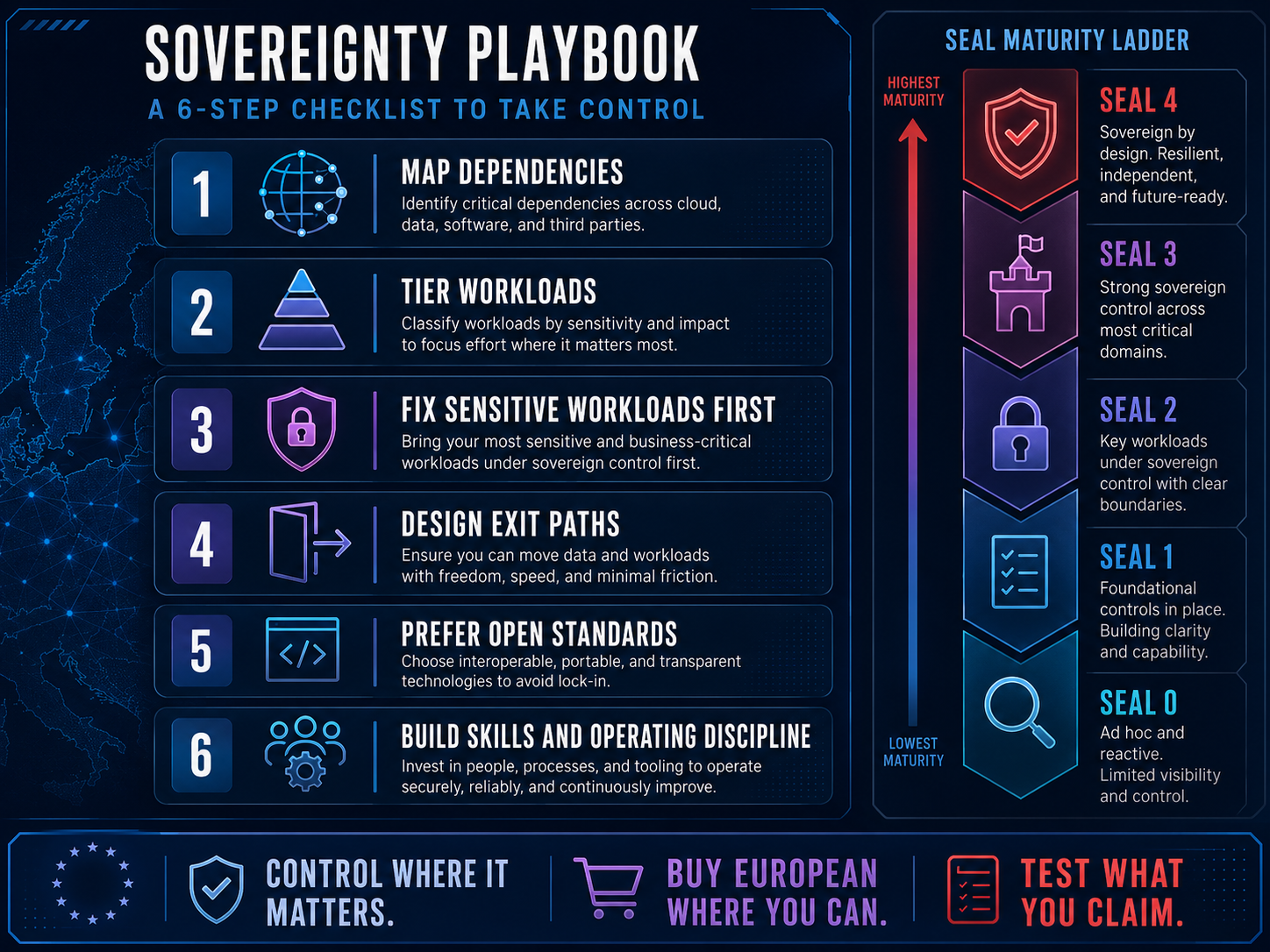
Not everything needs the same treatment, and pretending it does is how sovereignty projects stall. Sort your estate by the honest question: if a foreign party could access, disrupt, or cut this off, what happens? The EU's own Cloud Sovereignty Framework gives you a ready-made ladder for this, Sovereignty Effectiveness Assurance Levels (SEAL) 0 to 4, and you can set a minimum level per data class rather than boiling the ocean. The rows below show the levels that matter for procurement decisions; SEAL-1 (contractual EU-law protections without enforceability) sits below the practical floor and is omitted here.
| SEAL level | In plain terms |
|---|---|
| 0 | Controlled by non-EU parties under non-EU law |
| 2 | EU law applies and is enforceable; no extra customer measures needed |
| 3 | Immune from non-EU supply-chain disruption |
| 4 | Full EU stack, "chips to software"; no provider has reached it |
Source: European Commission Cloud Sovereignty Framework. The Commission itself did exactly this in its April 2026 sovereign-cloud tender: it set SEAL-2 as the floor, reserved higher levels for sensitive workloads, and split the award across four providers to avoid lock-in (EC). That's the template: tiering, not a wall.
Step 3: Fix the sensitive tiers first
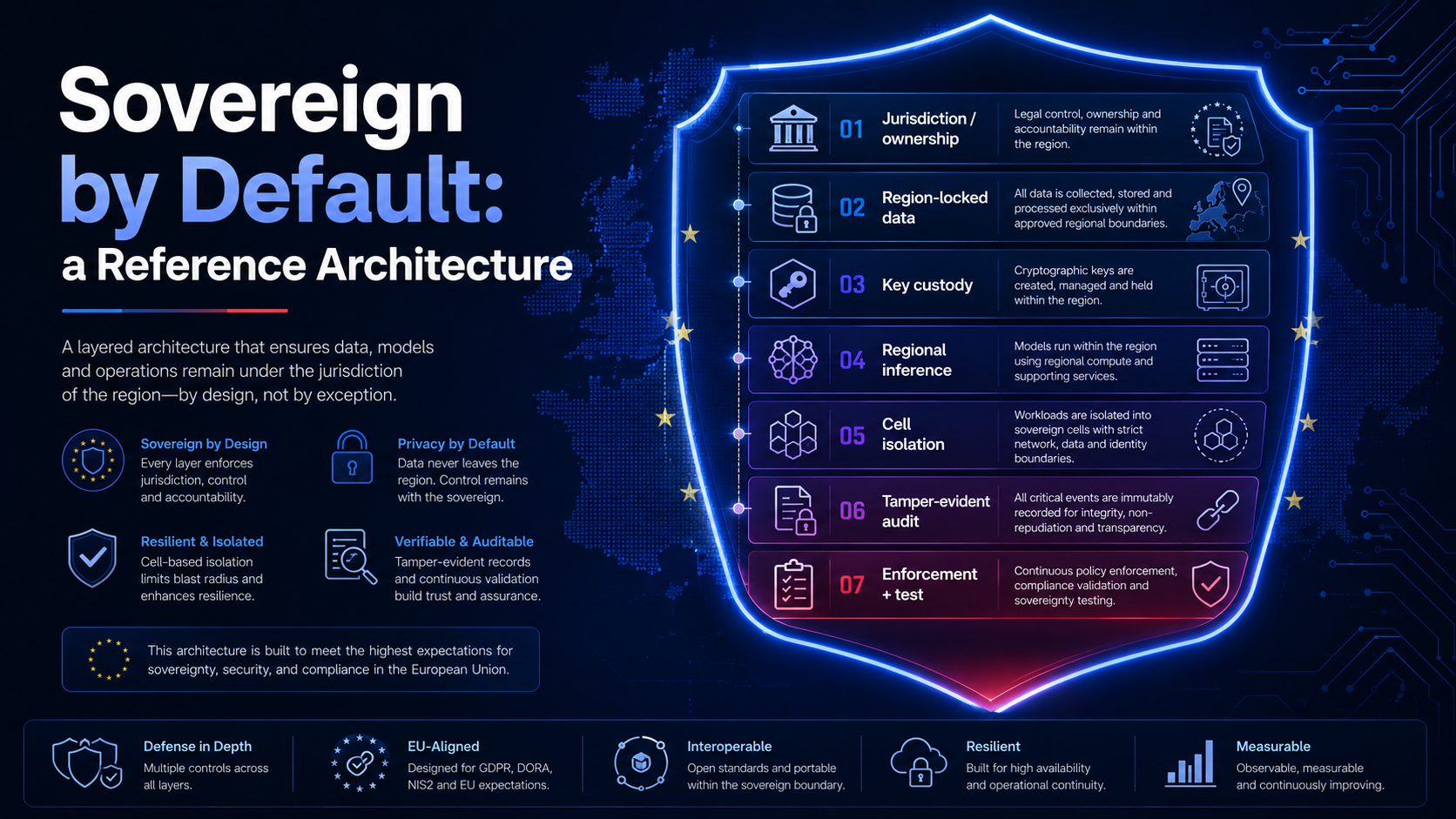
Now spend your scarce sovereignty budget where it counts: move the Tier-1 and Tier-2 workloads (the crown jewels) onto genuinely sovereign infrastructure, and do it with customer-held keys, because data residency alone doesn't answer the compulsion question. Leave the general-purpose Tier-3 estate where it is for now, kept portable. This is the single highest-return move in the playbook, and it's finite and achievable in a year.
Step 4: Design for exit
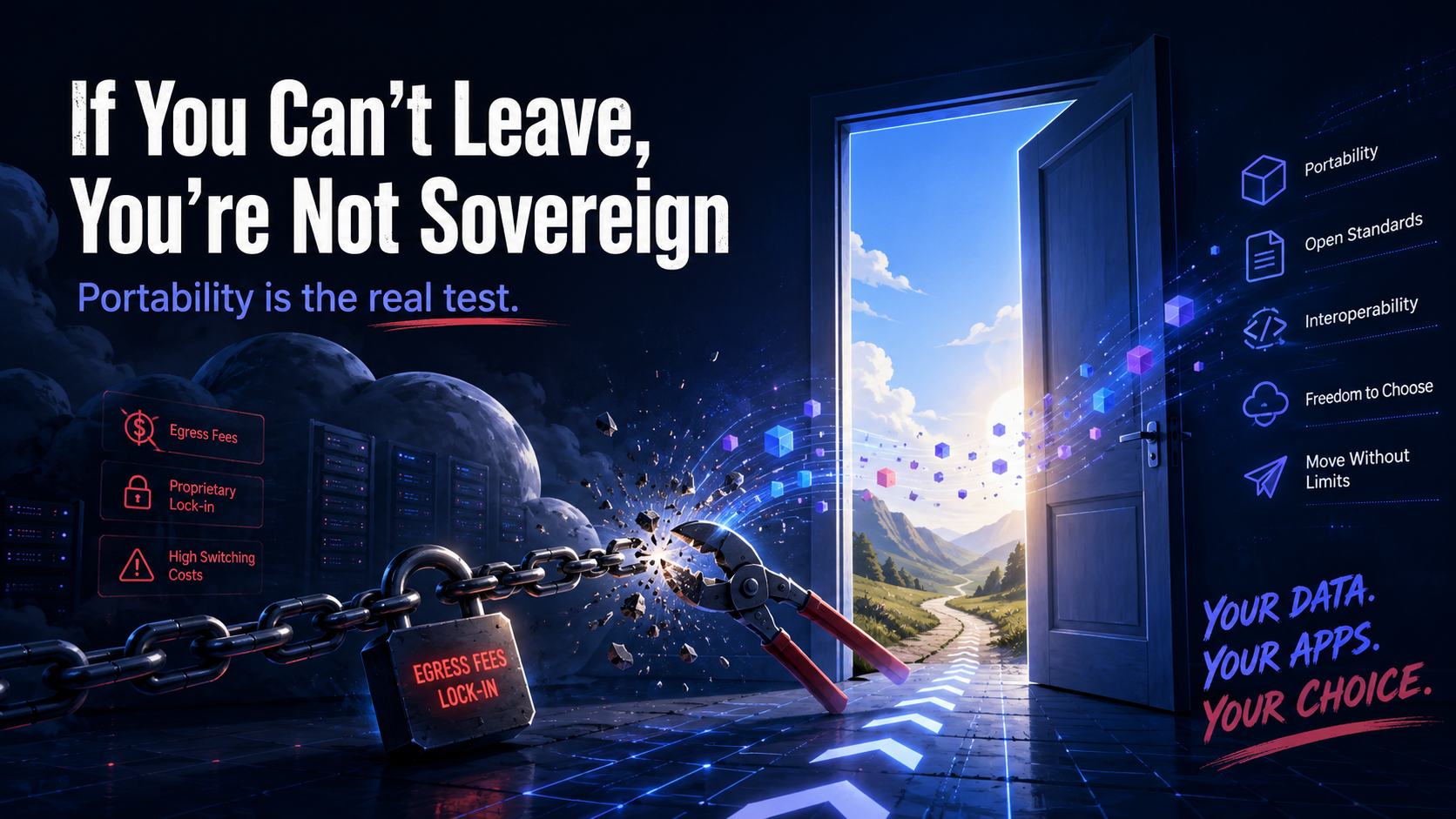
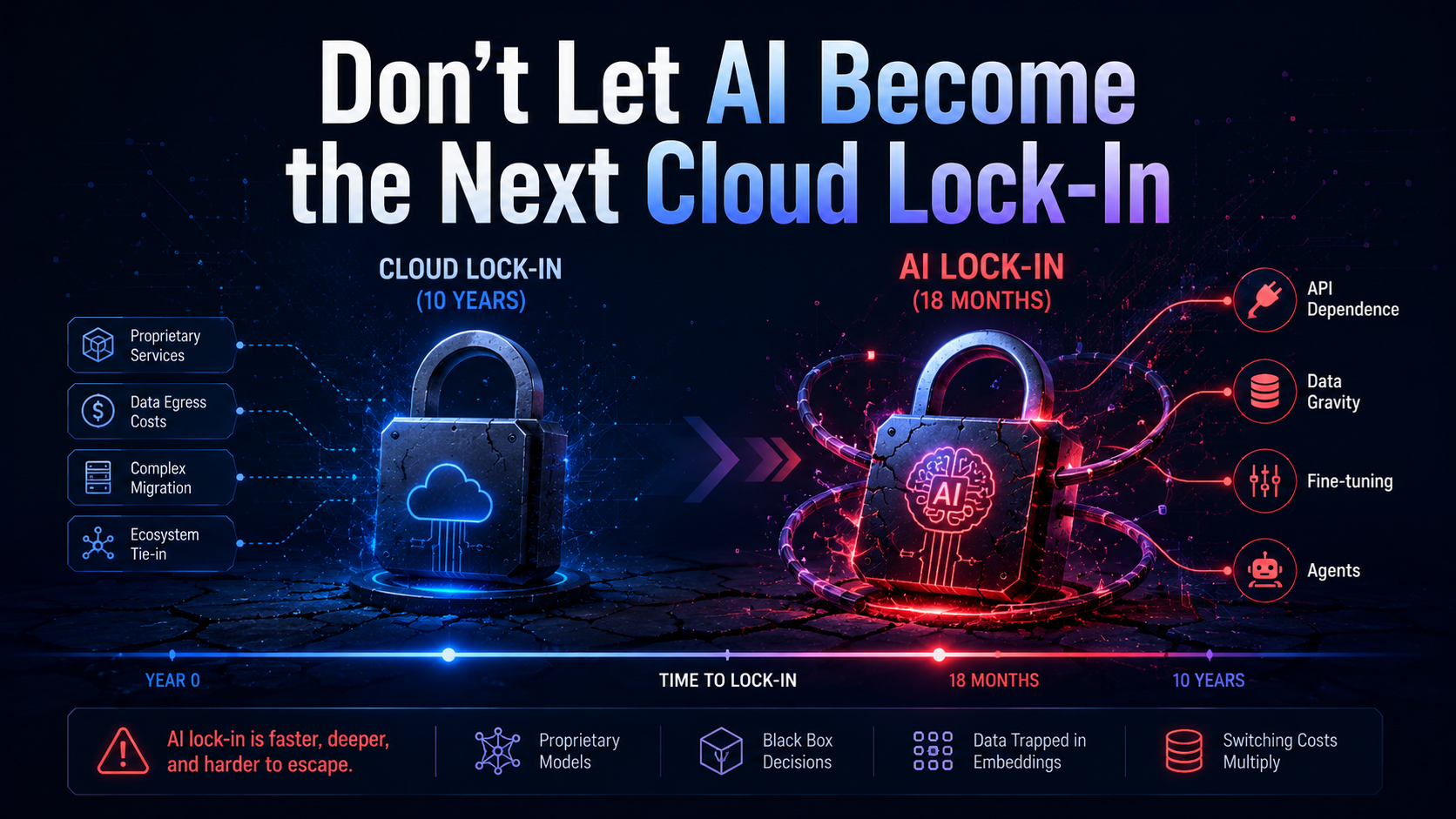
Sovereignty you can't walk away from isn't sovereignty. Build the exit before you need it: open formats, machine-readable export, tested failover, and reversibility clauses in every contract. Two hard deadlines make this urgent and cheaper: DORA Art. 28(8) requires documented, tested exit strategies for critical functions, and from 12 January 2027 the EU Data Act bans all switching and egress charges (Data Act Art. 29). Prepare now and you walk through that door the day it opens.
Step 5: Prefer open standards and open source where the function is mature
For identity, collaboration, document formats, and middleware, the deep points of administrative lock-in, favor open standards and open-source options where they're genuinely ready. Public administrations across Europe are proving it works: Schleswig-Holstein has moved almost 80% of its state-administration workstations (excluding tax administration) to open-source office software (Land Schleswig-Holstein, December 2025), and the trend is toward "public money, public code." It reduces long-run lock-in and builds demand for European and open ecosystems. (We go deep on this in the companion technical post.)
Step 6: Treat skills as critical infrastructure
None of the above sticks without people to run it. Europe is short roughly 300,000 cybersecurity professionals (ISC2, 2024), and sovereignty specifically depends on having teams that can operate, audit, and switch the systems you've chosen. Budget for it, use conversion pathways from adjacent IT roles, and treat vendor knowledge-transfer as a hard requirement, not a nicety.
Procurement is your fastest lever
If you take one thing from this playbook, take this: procurement moves faster than anything else you control. You don't have to build a European cloud; you have to buy in a way that builds one. Sovereignty criteria in tenders, multi-sourcing to avoid lock-in, exit clauses tied to ownership changes, and open-source-first defaults are already reshaping the market, from the EU institutions' €180M tender to national frameworks in the Netherlands, Denmark, France, and Germany. Anchor demand is the lever that turns "we wish Europe had alternatives" into "Europe has alternatives."
What not to do
Three failure modes to avoid, because they waste the budget and the goodwill:
- Autarky. Building everything yourself is neither realistic nor desirable. Adopt the world's best where it's safe to; reserve sovereignty for what matters.
- Sovereignty theatre. A "sovereign" badge without customer-held keys, tested exit, and real EU operational control is what critics rightly call "sovereignty washing": a label that's proven "empty in substance" (Lawfare, 2025).
- Rip-and-replace. Big-bang migrations fail. Tier, sequence, and move the sensitive workloads first.
Where Soveryne fits
This playbook is, more or less, the company we built. Command does Steps 1 and 4 as a product, mapping dependencies and controls, keeping tested exit and continuity evidenced, across NIS2, DORA, and ISO 27001. The Soveryne Cloud Foundation is where you put the Step-3 sensitive workloads: EU-hosted, operated by an EU entity, keys in EU jurisdiction, EU-sovereign AI inference, open-source core, no US-jurisdiction subprocessor in the data path. And Counsel gives you grounded, cited answers on that same sovereign ground. Step 6, skills, is why knowledge transfer to your own team is part of the engagement rather than an upsell. It's selective autonomy, delivered: pragmatic, evidenced, and startable now.
If you want a place to begin, get in touch. We'll help you tier your workloads and, true to the brand, if we're not the right fit for a given tier, we'll say so.
FAQ
How do I start reducing dependence on US tech without disrupting the business? Map dependencies, tier workloads by sovereignty need, and move only the sensitive tiers first onto sovereign infrastructure with your own keys. Keep the rest portable. It's sequencing, not a rip-and-replace.
What is the SEAL framework? The EU Cloud Sovereignty Framework's Sovereignty Effectiveness Assurance Levels (0–4), a way to score how sovereign a cloud service actually is. It's the best off-the-shelf yardstick for setting a minimum standard per data class.
What's the fastest lever to build European alternatives? Procurement. Sovereignty criteria in tenders, multi-sourcing, exit clauses, and open-source-first defaults create the anchor demand that builds supply, faster than waiting for regulation or new entrants.
What should I avoid? Autarky, sovereignty theatre (a badge without keys or a tested exit), and big-bang migrations. All three waste effort and undermine trust.
You can start this on Monday. Map, tier, fix the crown jewels, design the exit, and buy in a way that builds the alternative. To put the sensitive tiers on sovereign ground, explore the Soveryne Cloud Foundation; to operate the whole program, see Command or get in touch.
Sources
- European Commission, Cloud Sovereignty Framework explained (2026): https://commission.europa.eu/news-and-media/news/sovereign-cloud-framework-explained-2026-06-01_en
- European Commission, €180M sovereign-cloud tender (IP/26/833): https://ec.europa.eu/commission/presscorner/detail/en/ip_26_833
- DORA, Article 28 (exit strategies): https://www.digital-operational-resilience-act.com/Article_28.html ; Article 29 (concentration): https://www.digital-operational-resilience-act.com/Article_29.html
- EU Data Act, Article 29 (switching/egress): https://www.eu-data-act.com/Data_Act_Article_29.html
- ISC2, EU cybersecurity workforce study (2024): https://digital-skills-jobs.europa.eu/en/latest/news/2024-cybersecurity-landscape-insights-isc2-cybersecurity-workforce-study
- Synergy Research, EU cloud market share (2025): https://www.srgresearch.com/articles/european-cloud-providers-local-market-share-now-holds-steady-at-15
- Lawfare, "sovereignty washing" (2025): https://www.lawfaremedia.org/article/tech-s--sovereignty-washing--in-europe-will-ripple-in-the-global-south
- European Commission, Cloud and AI Development Act (proposed 3 June 2026): https://digital-strategy.ec.europa.eu/en/policies/cloud-and-ai-development-act